
A fire in a commercial property doesn’t just damage a building. It stops a business, sometimes several at once. Tenants can’t operate, revenue stops, and every day the property sits closed adds pressure from ownership, insurers, and the businesses depending on that space to reopen. For a property manager, the hours and days after a commercial fire are less about the fire itself and more about managing a chain of decisions that determine how fast, and how well, the property comes back online.
Unlike a house fire, commercial fire damage restoration has to account for multiple stakeholders, code compliance, business interruption coverage, and systems like HVAC, electrical, and life safety that serve an entire building rather than a single household. This guide walks through the restoration process step by step, from the first walkthrough to reopening, with an eye toward what property managers specifically need to track.
Get a professional damage assessment before making any decisions
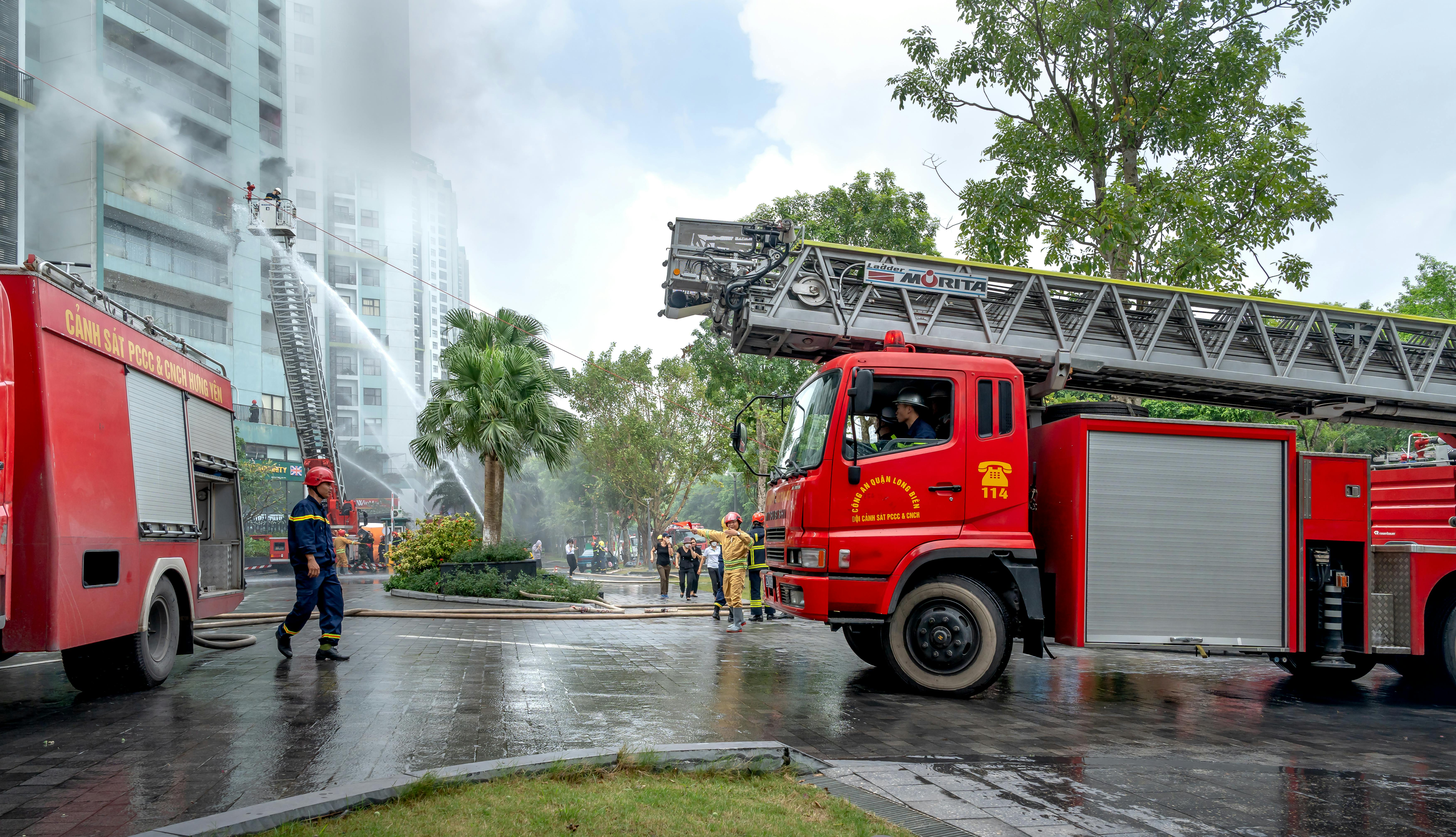
The first move after a commercial fire is a full assessment by a licensed restoration contractor and, where structural integrity is in question, a structural engineer. This isn’t just about cataloging visible char. It’s about determining whether the building envelope, load-bearing elements, and life safety systems such as sprinklers, alarms, and fire doors are compromised.
Commercial buildings often have more complex construction than residential properties, from steel framing and curtain walls to shared mechanical systems and multi-tenant electrical distribution. An assessment needs to cover all of it before anyone can safely reoccupy any part of the building, even sections that look undamaged.
This is also the point where restoration scope starts to take shape, separating what can be cleaned and restored from what needs to be demolished and rebuilt. That distinction drives both the timeline and the budget for everything that follows.
Loop in insurance and document the loss immediately
Commercial policies are typically more complex than residential ones, often layering property damage, business interruption, and sometimes builder’s risk or tenant improvement coverage. Notify the insurance carrier the same day, and get a clear answer on what’s covered, particularly business interruption, which reimburses lost income while the property is unusable.
Documentation needs to be thorough and organized by unit or tenant space if the property is multi-tenant. Photograph and video every affected area before cleanup begins, and keep a running log of communications with the insurer, contractors, and tenants. If tenants have their own contents or business interruption policies, they’ll need this documentation too, so a shared, well-organized record benefits everyone involved.
Ask early whether the insurer requires specific vendors or approval steps before restoration work begins. Starting cleanup without that sign-off can complicate reimbursement later.
Secure the property and stabilize the building envelope
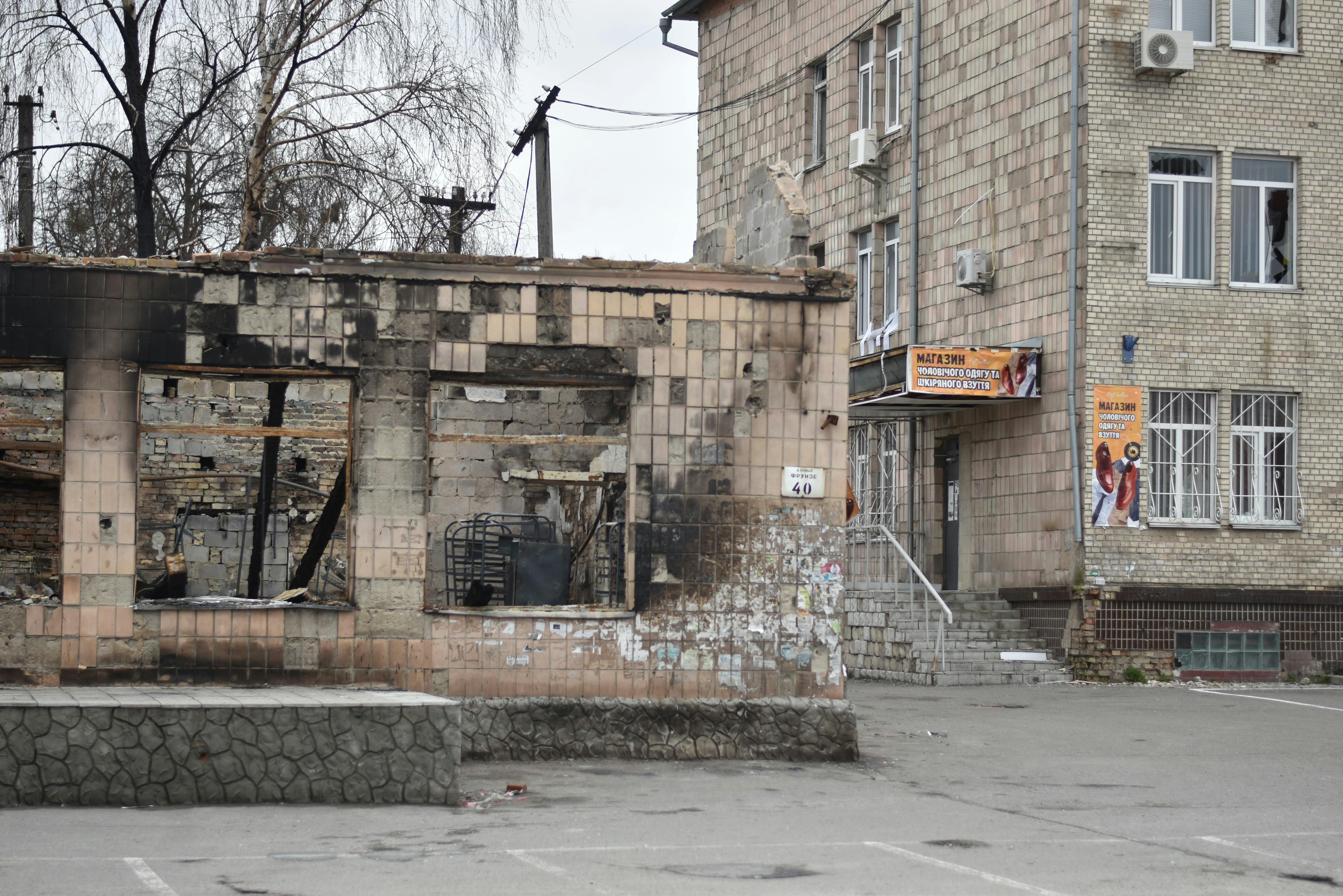
Commercial buildings often have more points of vulnerability than a single home, including multiple entrances, loading docks, ground-floor storefronts, and rooftop access. Securing the property means boarding up broken windows and doors, tarping roof damage, and controlling access so the site isn’t exposed to weather, theft, or unauthorized entry while it’s unoccupied.
This step matters for liability as much as for the insurance claim. An unsecured commercial property creates risk exposure for the owner if someone is injured on site, and most policies expect reasonable steps to prevent further loss once the fire is out.
For multi-tenant buildings, this is also when property managers typically need to communicate a timeline, even a rough one, to tenants whose spaces weren’t directly damaged but are affected by closures, shared utilities, or restricted access.
Address smoke, soot, and water damage as separate problems
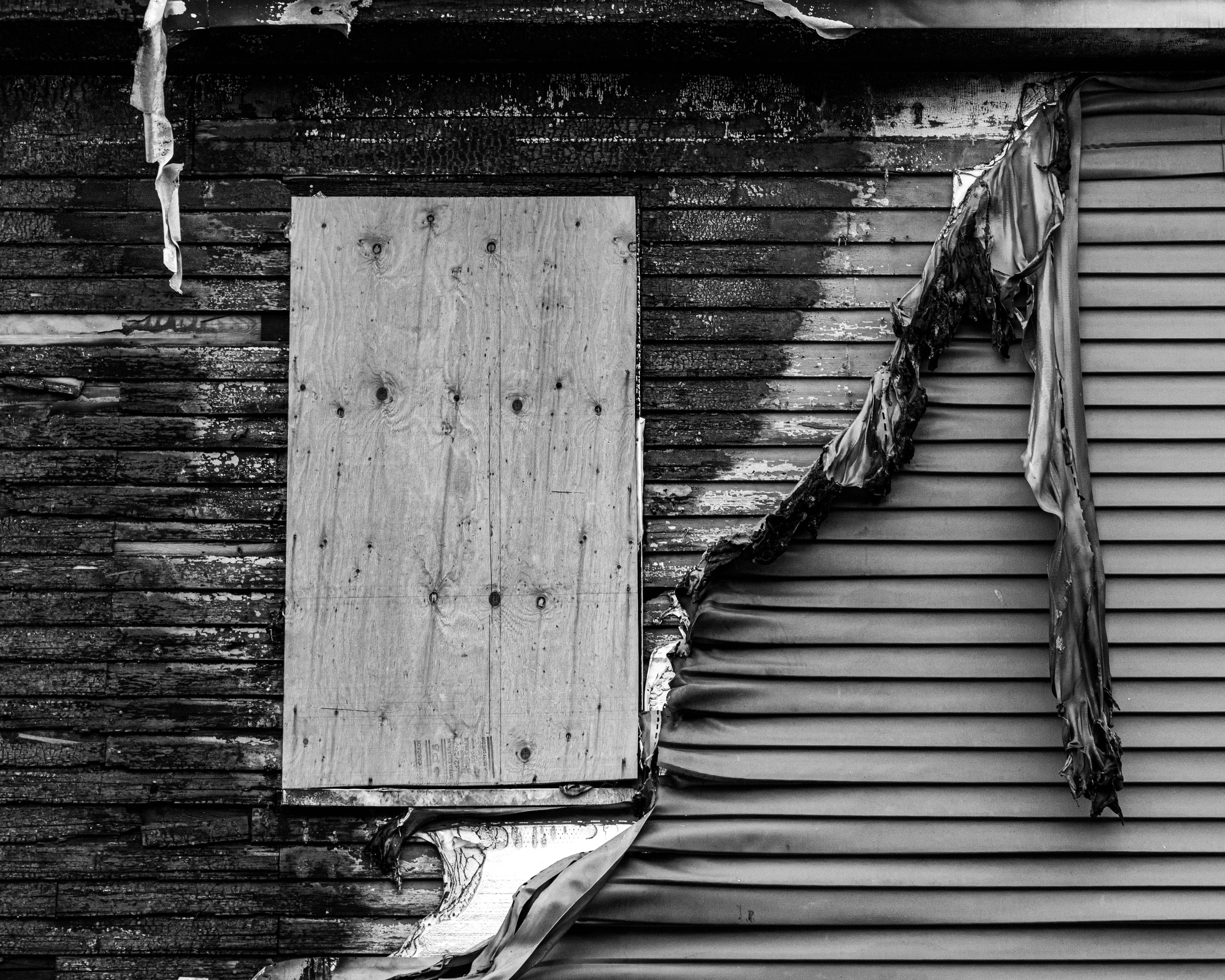
A commercial fire almost always creates three distinct types of damage that each need their own remediation approach. Fire and heat damage affects structural and finish materials, smoke and soot contamination spreads through HVAC systems and porous materials, and water damage comes from suppression efforts.
In commercial buildings, HVAC systems are often centralized and serve multiple floors or tenant spaces, which means smoke and soot can travel far beyond the room where the fire started. A full assessment of ductwork is necessary, not optional, since running a contaminated HVAC system after the fire can spread soot and odor throughout the building.
Water intrusion from firefighting efforts poses its own risk. Mold can begin developing within 24 to 48 hours in unaddressed wet materials. In commercial spaces with drywall, carpet tile, ceiling grids, and often below-grade areas, thorough extraction and drying isn’t a cosmetic step, it protects the structure and air quality for the long term.

Coordinate contents restoration for tenants and shared spaces
Contents restoration in a commercial property is more complicated than in a home, because the contents often belong to multiple businesses, each with different equipment, inventory, and records. Office electronics, retail inventory, restaurant equipment, and paper records all respond differently to smoke and heat exposure, and all need different handling.
Where possible, coordinate directly with affected tenants on what can be salvaged through professional cleaning versus what’s a total loss. Many restoration companies offer pack-out and off-site cleaning services specifically for this kind of multi-party contents recovery, which keeps the timeline moving without requiring every tenant to manage their own remediation separately.
Clear, prompt communication with tenants at this stage tends to prevent a lot of downstream friction. Most tenant frustration after a commercial fire comes from uncertainty, not from the damage itself.

Plan the rebuild around code compliance and business continuity
Once damaged materials are removed and the space is dried and stabilized, rebuilding a commercial property often triggers current code requirements that didn’t apply when the building was originally constructed, such as updated fire suppression systems, accessibility standards, or electrical code. Confirming these requirements early avoids costly rework later in the project.
This is also where the restoration timeline and the business continuity plan need to align. If certain sections of the building can be restored and reoccupied ahead of others, sequencing the work that way can get some tenants operating again sooner rather than waiting for the entire property to be complete.
A restoration partner experienced in commercial properties will typically build the project plan around this kind of phased reoccupation when it’s structurally and logistically possible, rather than treating the property as a single all-or-nothing timeline.
What sets commercial restoration apart from residential work
The technical steps of fire, smoke, and water remediation are similar whether the property is a house or a commercial building. What changes is the scale of coordination, with more stakeholders, more complex systems, tighter code requirements, and a much higher cost for every day the property stays closed.
Guardian Solutions Construction works with property managers through each stage of this process, from the initial assessment through final rebuild, with the goal of getting tenants back into a safe, fully restored space as quickly as the situation allows.