
A major remodel changes more than a room. It changes how you cook, move through the house, store everyday essentials, and manage a normal week.
The good news is that the most stressful parts of remodeling can often be reduced before the first day of demolition. A thoughtful plan gives your remodeling team a clearer path to work and gives your household a better way to live through the disruption.
Here is how to prepare your home for a major remodeling project without trying to solve everything at the last minute.
Start with a pre-construction walkthrough
Before crews arrive, schedule a final walkthrough with your contractor. This is your opportunity to turn drawings and selections into a practical plan for the house you live in every day.
Walk the project area together and confirm the details that affect day one:
- Which rooms and pathways the crew will use
- Where materials, tools, and waste containers will be placed
- Which doors, bathrooms, or outdoor areas will remain accessible
- How dust containment and floor protection will be handled
- Which utilities may be shut off and when
- Who your main point of contact will be during construction
- How change requests, questions, and schedule updates will be communicated
This conversation is also the time to point out anything that may not appear on a plan: a gate that sticks, a delicate floor transition, a sprinkler line near the driveway, or the fact that a family member works from home on certain days.
A well-run remodeling project should have a clear scope, selections, and expectations before demolition begins. If a decision is still unresolved, ask whether it could affect pricing, scheduling, or material availability. It is much easier to address that now than once a room has been opened up.
Decide how your household will function during construction
The right living plan depends on the size of the project and the parts of the home it affects. Some homeowners can remain in the house with a few adjustments. Others are better served by staying elsewhere for part or all of the work.
There is no universal answer. Consider the reality of the project, not just the inconvenience you think you can tolerate.
Decide whether staying home makes sense
Living at home can work when the remodel is contained, a usable bathroom remains available, and there is a safe way to separate the work zone from the rest of the house.
Temporary relocation may make more sense when the project involves major structural work, extensive demolition, no functioning kitchen or bathrooms, limited access, or family members who need a quieter environment. Young children, pets, older adults, remote workers, and anyone with respiratory sensitivities deserve special consideration.
Ask your contractor for an honest picture of the noisiest, dustiest, and least accessible phases—not only the overall project timeline. That will help you decide whether a short-term stay elsewhere might make life easier.
Create a temporary kitchen before the old one is removed
A kitchen remodel has a way of making everyday routines feel surprisingly complicated. Set up a simple temporary kitchen before the existing one is disconnected.
Choose a location away from the construction path and gather the items you actually use:
- Coffee maker or kettle
- Microwave, toaster oven, or other approved small appliance
- A compact cooler or secondary refrigerator, if needed
- Reusable plates, cups, utensils, and a basic dishwashing setup
- Pantry staples and easy meals
- Food and water bowls for pets
Keep the setup intentionally small. The goal is not to recreate your kitchen—it is to make breakfast, school lunches, and weeknight meals manageable while the work is underway.

Clear, pack, and protect the home
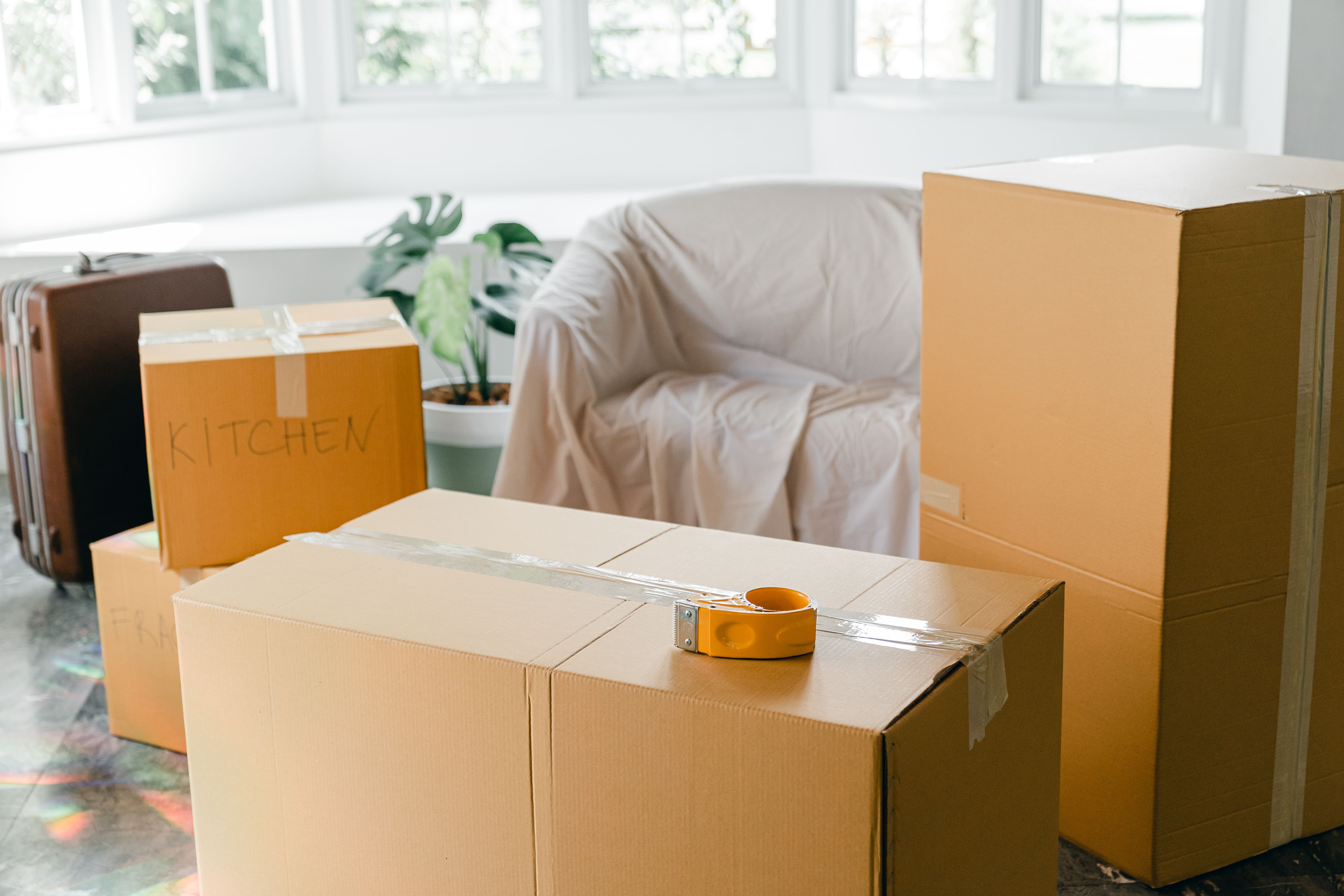
Packing for a remodel is different from packing for a move. You need to remove everything from the work area, protect nearby rooms, and still be able to find what your household needs.
Start earlier than you think you need to. Last-minute packing usually leads to broken items, unlabeled boxes, and important belongings buried where no one can find them.
Empty the project area completely
Remove furniture, wall décor, curtains, rugs, small appliances, pantry items, toiletries, and everything inside cabinets or closets that will be affected. Even items that seem safely tucked away can collect dust or become inaccessible once work begins.
For each box, label the room, a short list of contents, and whether it is needed during construction. Keep essentials separate from long-term storage. A box labeled “daily kitchen,” “school supplies,” or “pet supplies” is far more useful than one labeled “miscellaneous.”
Store sentimental items, important documents, jewelry, medications, and irreplaceable belongings away from the jobsite whenever possible. Take photos of rooms, furniture, and valuable items before construction begins for your own records.
Protect the spaces that remain in use
Your remodeling team should explain its protection and containment plan, but homeowners can help by clearing routes and identifying surfaces that need extra care.
Move vehicles out of the planned work or delivery area. Clear hallways and exterior paths. Remove fragile artwork from walls adjacent to the project area. If you have rooms that must remain private or off-limits, identify them clearly during the walkthrough.
For homes built before 1978, ask direct questions about lead-safe practices before work disturbs painted surfaces. This is especially important when children or pregnant household members are present.
Plan access, deliveries, and workday routines
A remodel runs more smoothly when the work area is easy to reach and the people in the house know what to expect each day.
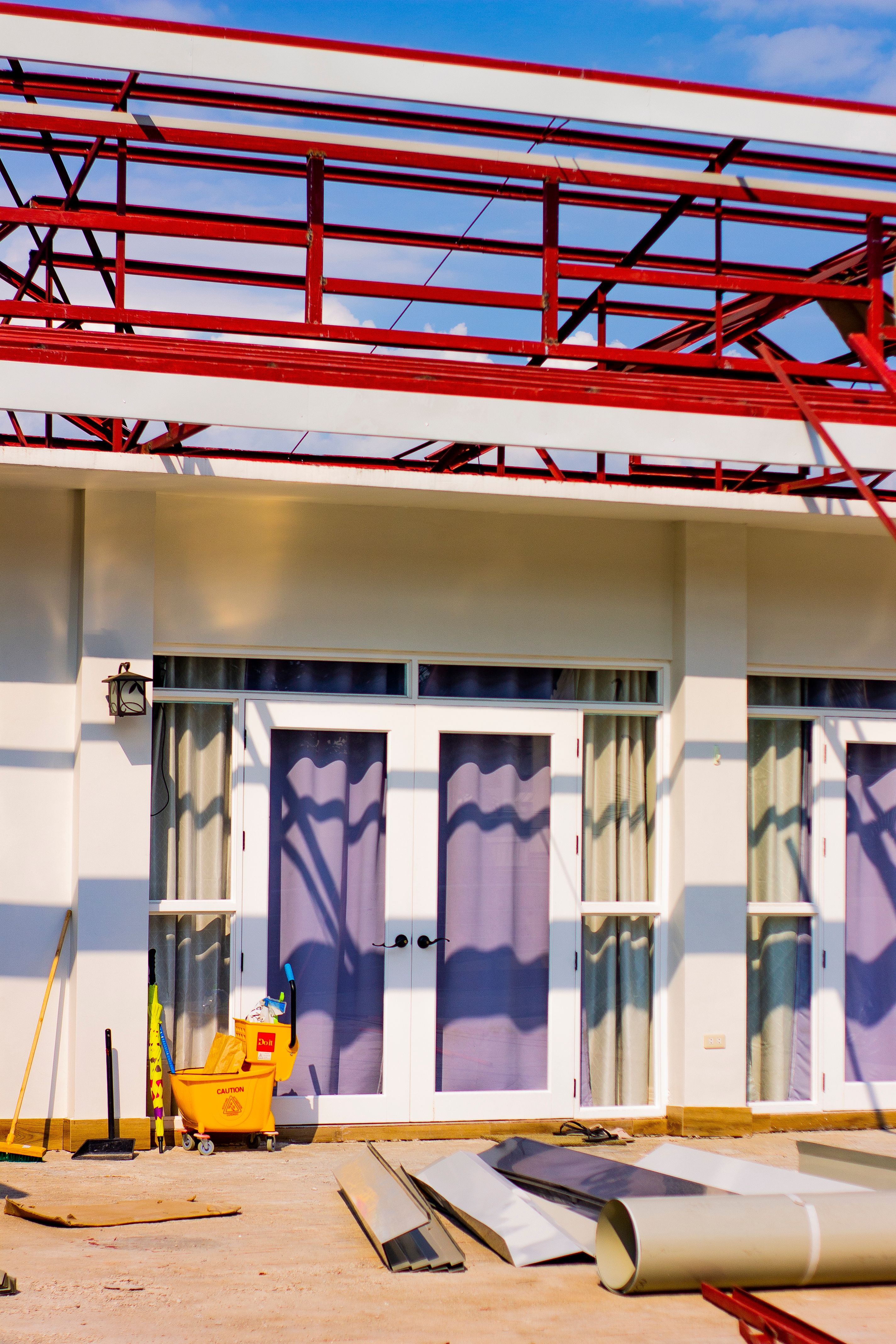
During the pre-construction walkthrough, confirm where the crew will park, enter the home, unload materials, and place a dumpster or portable storage container if one is needed. Keep those routes open. Move vehicles, outdoor furniture, planters, and anything else that could interfere with delivery access or create a safety hazard.
If you live in a neighborhood with limited parking, a homeowners association, or shared access, address those details before construction begins. Your contractor may need certain approvals or a designated place for material deliveries.
Establish a simple communication routine
You do not need to be available every minute, but you should know how questions will be handled.
Choose one reliable point of contact in your household and make sure the remodeling team has the best phone number and email address. Agree on how you will receive schedule updates, approvals, and notices about utility shutoffs or deliveries.
It also helps to decide in advance how changes will be documented. A verbal conversation can be useful, but changes to scope, cost, materials, or timing should be confirmed in writing. That protects everyone from misunderstandings.
Keep a dedicated folder—digital or physical—for your contract, plans, selections, permits, invoices, product information, and project messages. When a question comes up weeks later, you will know exactly where to look.
Prepare children and pets for the disruption
Construction zones are not places for children or pets. Noise, unfamiliar people, open doors, tools, cords, and changing pathways can create risks even when the work area is well contained.
Before the project starts, decide where children and pets will spend their time during work hours. Make sure everyone in the household understands which areas are off-limits. If your pet is anxious around noise or visitors, consider arranging daycare, boarding, or a quiet stay with family during the most disruptive phases.
For children, explain the changes in simple terms. Let them know which rooms will be unavailable, where they can play safely, and whom to ask if they need something. A little preparation can make an unfamiliar routine feel much more manageable.
Also consider practical details such as pet food, leashes, medications, school supplies, and comfort items. Keep them in an easy-to-reach place outside the construction area.
Review safety, permits, and home protection
A major remodel is not the time to make assumptions about permits, insurance, or safety procedures.
Ask your contractor which permits and inspections apply to the project, who will obtain them, and what access may be needed for inspectors. Keep copies of permit information and make sure you understand whether there are any restrictions related to work hours, parking, or disposal.
It is also wise to contact your insurance provider before construction starts. Ask whether your current policy provides the protection you expect during remodeling and whether the project changes any coverage requirements. Your contractor should also be able to provide proof of the appropriate insurance for the work being performed.
If your home was built before 1978 and the remodel will disturb painted surfaces, discuss lead-safe procedures before work begins. This is particularly important for households with children or pregnant family members.
Finally, identify the essentials in your home:
- Main water shutoff
- Electrical panel
- Gas shutoff, if applicable
- Fire extinguishers
- Smoke and carbon monoxide detectors
- Emergency contacts
Your contractor will manage the jobsite, but knowing where these items are and keeping them accessible is a smart part of homeowner preparation.
Give your neighbors a heads-up
A brief conversation with nearby neighbors can prevent frustration later.
Let them know when the project is expected to begin, the general working hours, and the best way to reach you if a concern comes up. You do not need to provide every project detail. A simple, respectful heads-up about potential noise, deliveries, and temporary parking changes goes a long way.
If a shared fence, driveway, alley, or common area may be affected, address that early with both your contractor and neighbor.
Your final week-before-construction checklist
In the final week before work begins, walk through this list:
- Confirm the start date, crew access, and working hours.
- Make sure all required selections and approvals are complete.
- Empty the project area and pack essentials separately.
- Remove valuable, fragile, and sentimental items from nearby rooms.
- Set up temporary cooking, bathing, sleeping, or work arrangements as needed.
- Clear parking, delivery, and waste-removal access.
- Confirm the communication process with your contractor.
- Secure a safe routine for children and pets.
- Photograph the existing space and store important documents.
- Notify neighbors about the upcoming work.
A better start leads to a better remodeling experience
No remodel is entirely without disruption. There will be noise, decisions, and days when the usual routine needs to change. But preparation gives you more control over the parts that can be planned.
When the scope is clear, your home is protected, and your household has a workable routine, the first day of construction feels less like chaos and more like the beginning of a well-managed project.
Guardian Solutions Construction helps homeowners prepare for remodeling with practical planning, clear communication, and a process built around the realities of living through construction.