
How long does a kitchen remodel take? For most homeowners in Dallas-Fort Worth, the honest range is about 6 to 20 weeks from the first design meeting to the final punch list. The gap between those two numbers comes down to a handful of choices you make early, so it helps to understand each phase before you commit to a start date.
How long does a kitchen remodel take in DFW
Contractor guides in the area commonly put a full kitchen remodel at 6 to 20 weeks, and a simple update can land at the short end while a project with moved walls and custom cabinets lands at the long end. Treat those numbers as planning ranges, not promises. Your own schedule depends on scope, material lead times and how quickly decisions get made.
A useful way to think about it: the work you can see, like demolition and installation, is often the shortest part. The waiting happens before the crew arrives.
Phase one: design and planning
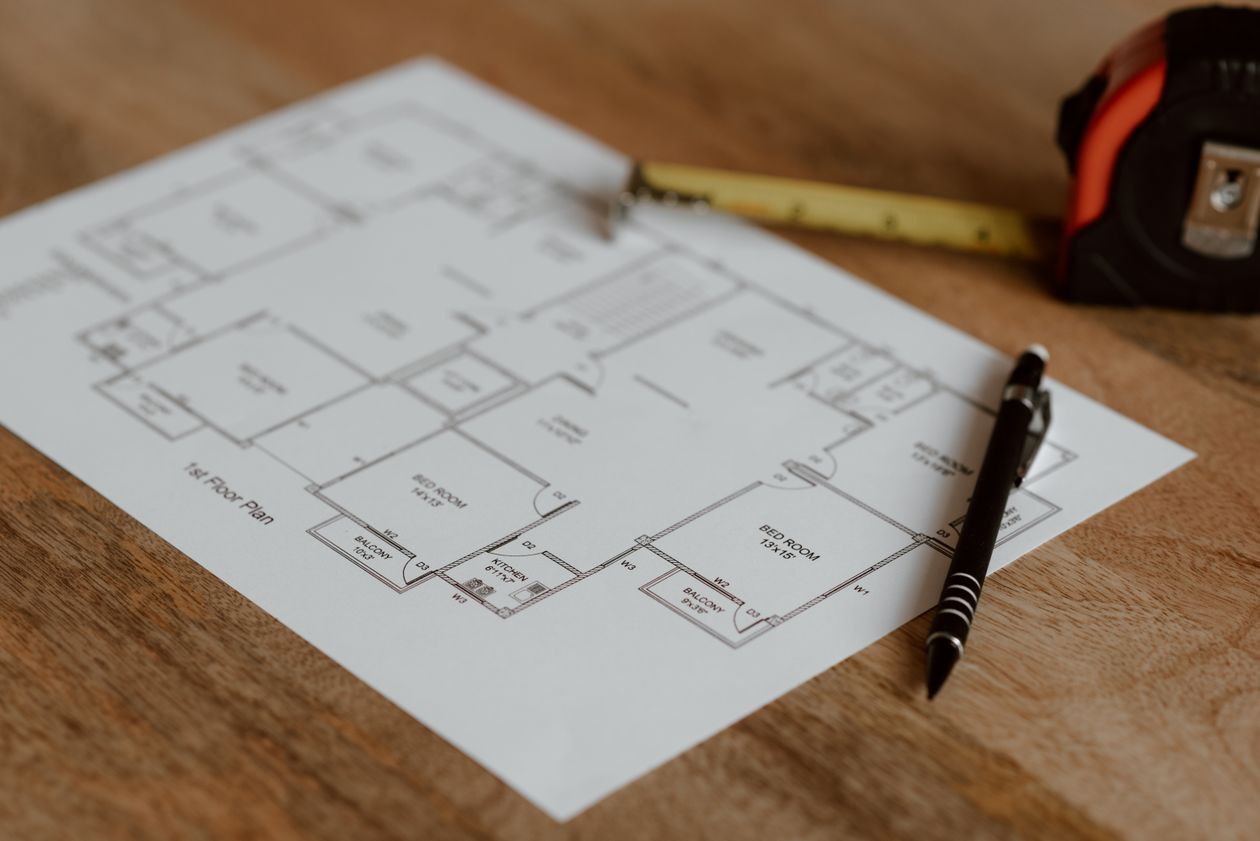
Design usually takes about 2 to 6 weeks, and longer for a major remodel. This is when you measure the room, choose a layout, pick cabinets, counters and finishes, and confirm appliance sizes. Every choice you postpone here tends to show up later as a construction delay.
Phase two: permits and ordering
Permits and material orders often run at the same time. Industry guides commonly estimate a permit review at about 2 to 4 weeks, depending on the city. Kitchen remodels generally need a permit when plumbing or electrical changes are involved or when walls are removed, and the City of Arlington lists kitchen and bath remodels among the common projects that require one. Work covered by a permit has to be approved before it starts.
Ordering is the other clock. These lead times are typical ranges from industry guides, so ask your supplier for a written date:
- Stock cabinets: about 1 to 3 weeks
- Semi-custom cabinets: about 6 to 10 weeks
- Fully custom cabinets: about 10 to 16 weeks
- Quartz countertops: roughly 1 to 3 weeks after templating
- Specialty or imported tile: up to about 8 weeks
Phase three: demolition and rough-in
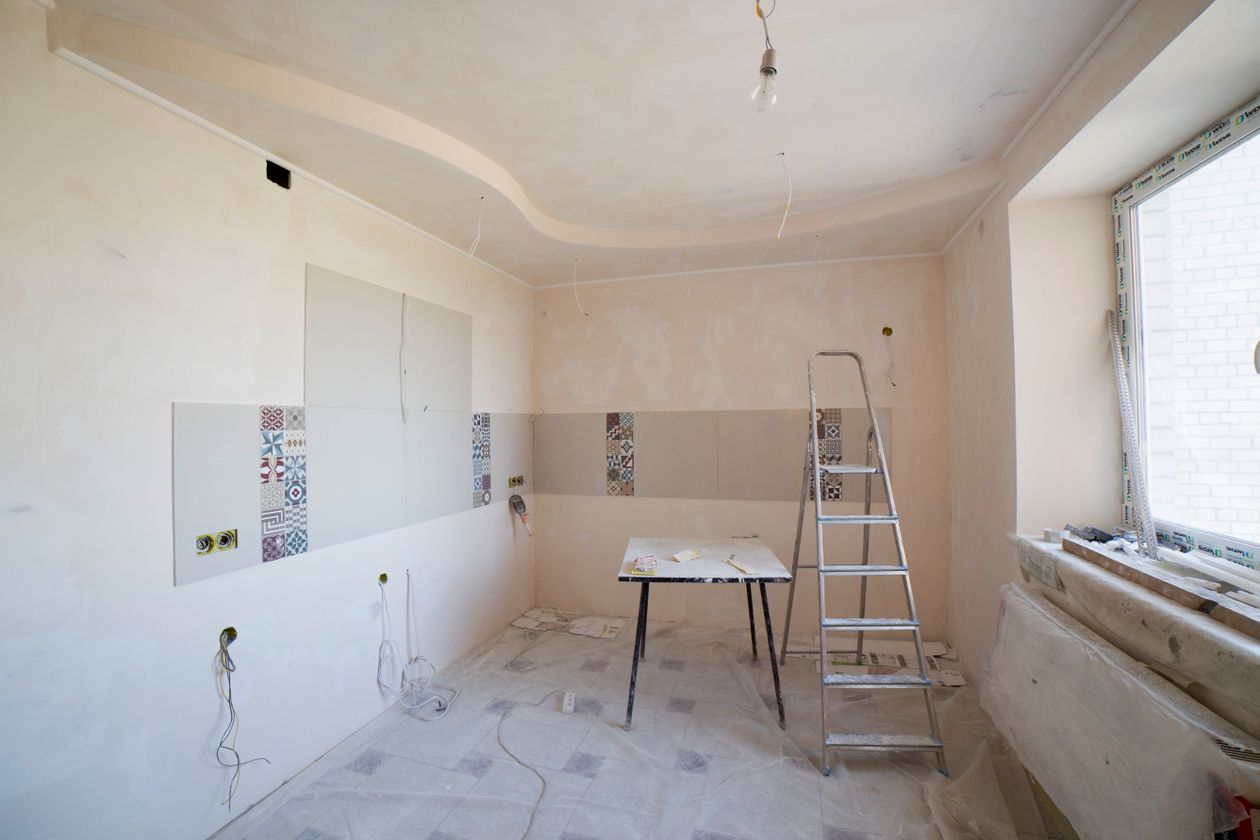
Demolition itself is quick, often one to two days. The longer stretch comes next, when plumbing, electrical and any ventilation are roughed in. Plan for roughly one to two weeks, plus a few days for the inspection before the walls are closed.
Phase four: cabinets, counters and finishes
Once cabinets arrive, installation is usually short, around two to five days. Countertops come next, because the fabricator measures after the cabinets are set and then needs a week or two to cut and finish the stone. Backsplash, paint, fixtures and flooring follow in the days after.
Why the countertop gap surprises people
For about a week or two, the kitchen has cabinets but no counters. It is normal, and it is the reason a good schedule lists the template and fabrication dates separately.
The final walkthrough and punch list
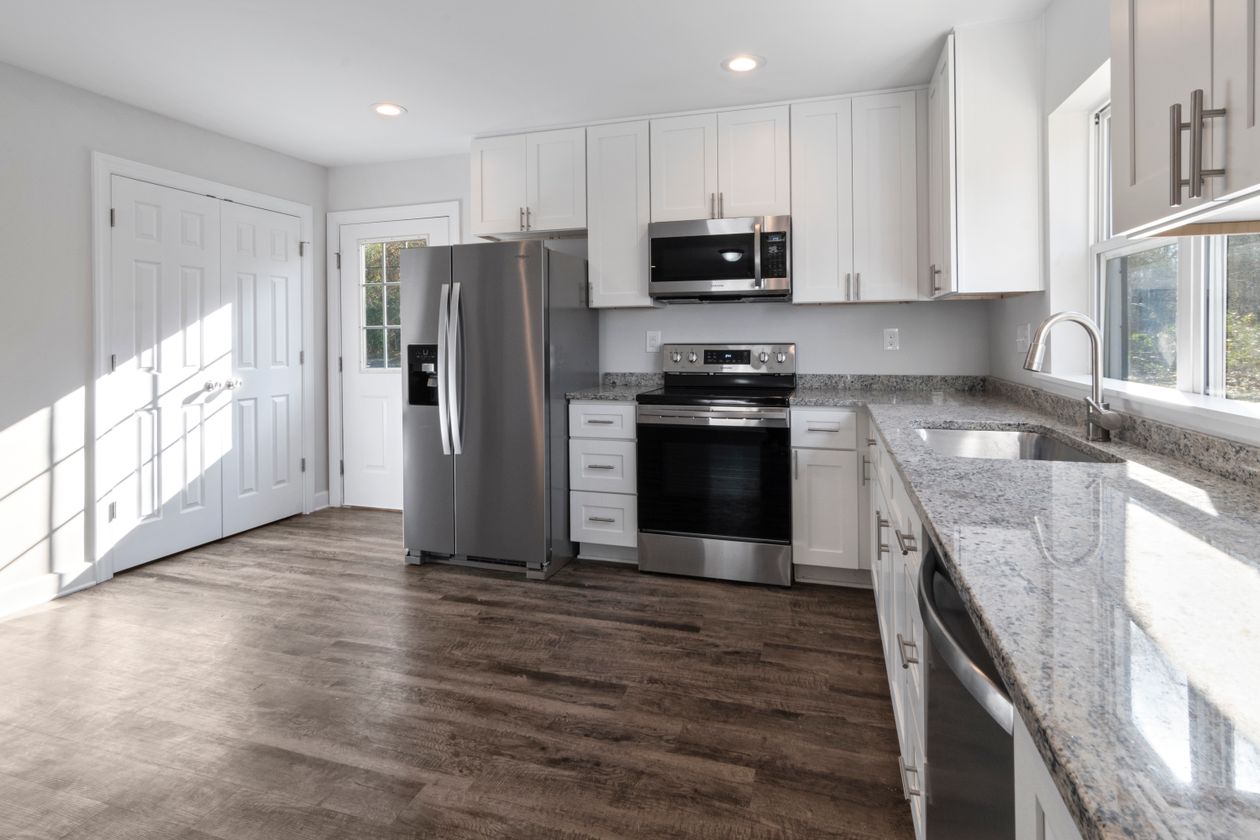
The last step is a walkthrough where you and your contractor go through the room together. You note small items, such as a door that needs adjusting or a paint touch-up, and the crew closes them out. Appliance hookups and final cleaning usually fit into a few days up to a couple of weeks.
What stretches a kitchen remodel schedule
A few things reliably add time, and most of them can be planned for:
- Moving walls, plumbing or gas lines, which adds permit and inspection steps
- Custom cabinets or imported materials with long lead times
- Changing selections after orders are placed
- A slow permit office or a crowded inspection calendar
Before you set a start date, ask your contractor for a written schedule that shows design, permits, lead times and each construction phase. Confirm permit timing with your city building department, because it varies from one city to the next.