
The moments, hours, and days following a residential fire are among the most overwhelming a homeowner can ever experience. Once the fire engines leave and the smoke clears, the immediate emotional shock often gives way to a daunting practical reality. Looking at a damaged property, it is difficult to know where to begin or how a home can ever feel safe and welcoming again.
Beyond the visible charred walls and ruined belongings, a house fire leaves behind complex, hidden hazards. Corrosive soot coats surfaces, pervasive smoke enters deep into building cavities, and thousands of gallons of water from firefighting efforts saturate structural elements. Navigating this landscape requires more than simple cleanup; it demands a systematic approach.
Recovery is a step-by-step journey. By partnering with experienced professionals, you can navigate the complex path of fire damage restoration and home reconstruction, transforming a scene of devastation back into a safe, secure, and beautiful sanctuary for your family.
Understanding the full impact of fire damage
When evaluating a property after a fire, it is a mistake to look only at what has been burned. A house fire is a complex environmental event that impacts a structure in several distinct ways:
- Direct fire damage: This is the most obvious form of destruction, where high heat and open flames consume building materials, warp structural steel, char wood framing, and destroy personal property.
- Smoke and soot damage: Even rooms untouched by flames can suffer severe soot contamination. Soot is highly acidic and corrosive. If left untreated, it permanently discolors plastics, stains porous materials, and corrodes metals. Meanwhile, complex smoke odors can trap dangerous particulates inside walls and ventilation systems.
- Water and chemical damage: The methods used to extinguish the fire often introduce a completely separate class of property damage. Hundreds or thousands of gallons of water, along with firefighting foams, leave floors buckled, drywall ruined, and create an immediate breeding ground for toxic mold.
- Structural compromise: High temperatures can weaken the structural integrity of support beams, roof trusses, and foundational elements. This hidden structural damage repair must be handled with extreme care before anyone can safely re-enter the home.
- Indoor air quality risks: A post-fire environment contains volatile organic compounds (VOCs) and microscopic particulates that pose severe respiratory risks.
Understanding these layers of damage clarifies why a quick DIY cleanup is impossible. Proper fire damage repair requires specialized equipment and clinical precision to ensure the home is genuinely safe to inhabit again.
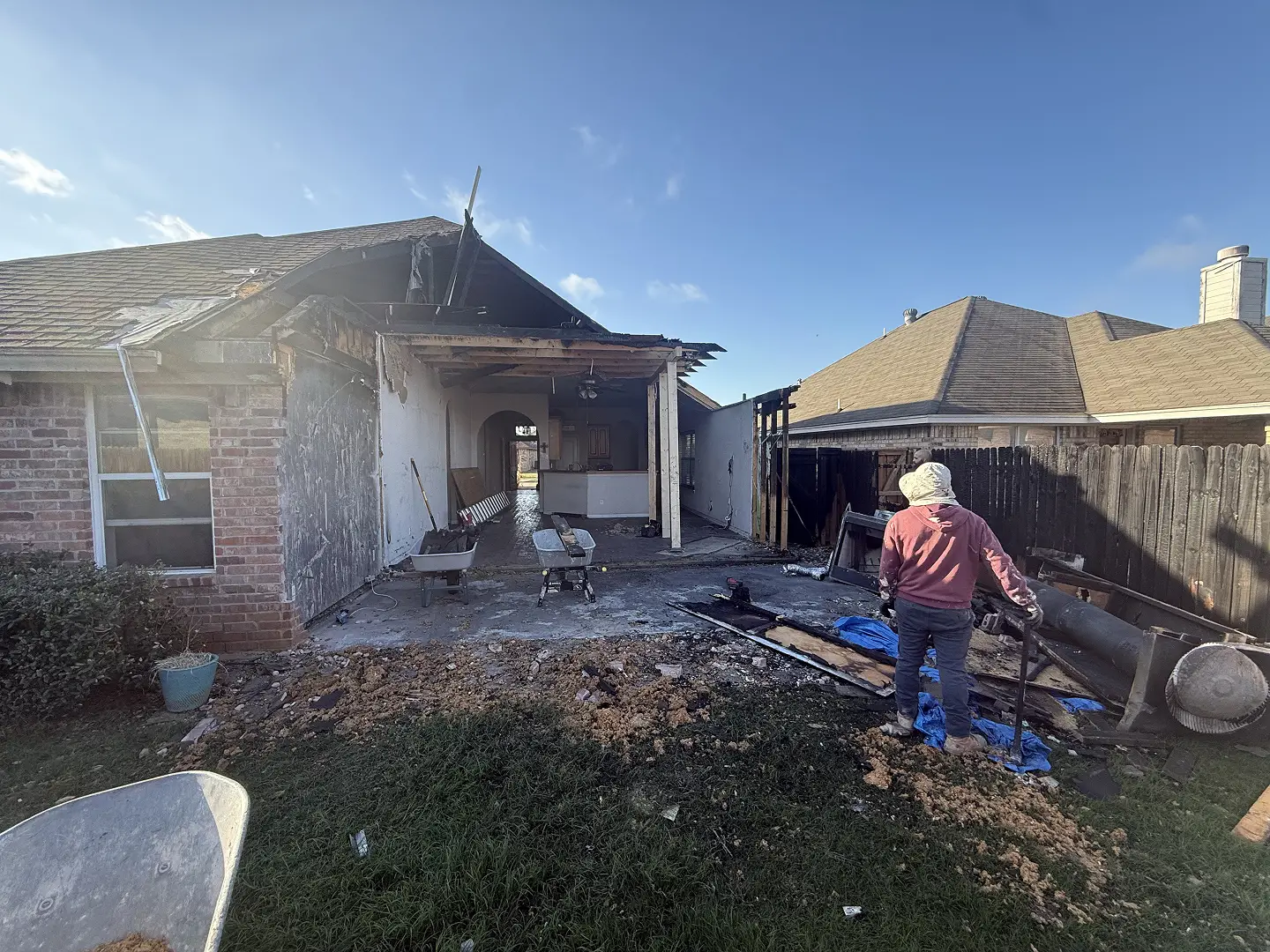
The first steps after a house fire
1. Ensure absolute safety
Never re-enter a fire-damaged property until local fire officials have explicitly declared it structurally safe to do so. Utilities like gas, electricity, and water should remain disconnected until certified technicians inspect the lines.
2. Contact your insurance provider
Notify your insurance company immediately to initiate the fire damage insurance claims process. Request a copy of your policy if you do not have it handy, and ask for clear instructions on temporary living expense allocations.
3. Document everything
Before anything is moved, cleaned, or discarded, document the scene thoroughly. Take comprehensive digital photos and videos of every room, focusing on structural damage, soot lines, and ruined personal belongings. Create a written inventory of affected items.
4. Secure the property
Unsecured homes are vulnerable to weather damage and vandalism. Professional teams can provide emergency board-up services for broken windows and tarping for damaged roofs to protect the interior from rain and wind.
5. Schedule a professional inspection
Reach out to an end-to-end provider specializing in both fire restoration services and property reconstruction. An immediate, professional assessment prevents secondary water damage and mold from taking hold.
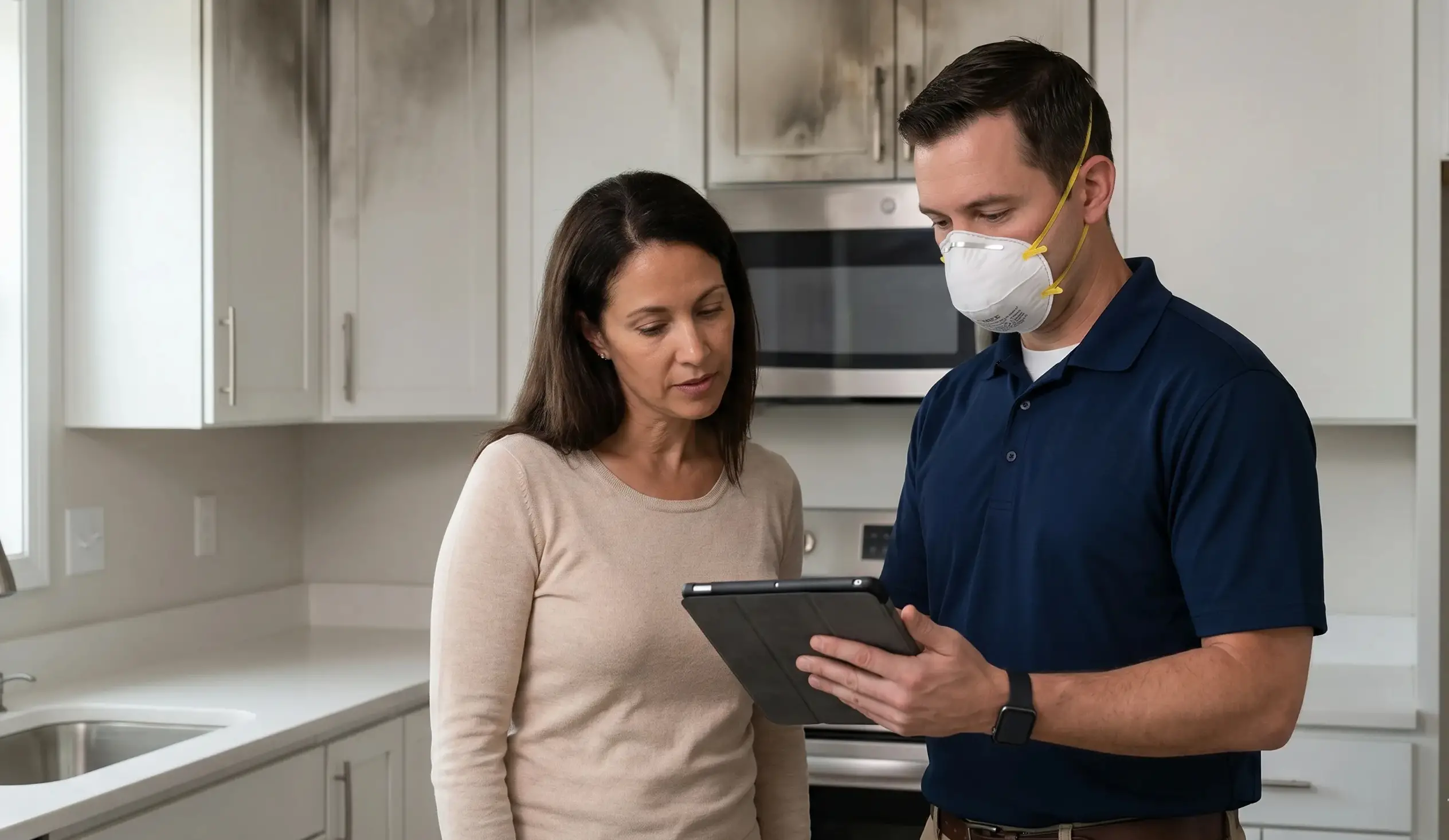
The fire damage restoration process explained
A professional recovery operation follows a strict, scientific sequence designed to stabilize the home and salvage as much original structure as possible.
Damage assessment
Technicians perform a rigorous walkthrough to categorize the fire type (e.g., synthetic, protein, or natural wood fires), measure the depth of soot penetration, and map out water saturation levels throughout the building.
Emergency mitigation
This phase stops ongoing damage in its tracks. It includes boarding up windows, placing tarps over structural openings, and installing temporary structural supports to prevent partial collapses.
Smoke and soot removal
Using specialized air scrubbers, thermal foggers, and industrial chemical sponges, teams neutralize odors and remove corrosive soot from all surviving surfaces. This prevents permanent staining and purifies the indoor air.
Water extraction and drying
Using industrial-grade dehumidifiers and high-velocity air movers, specialists perform deep fire damage cleanup by extracting standing water left behind by firefighters. This rapid drying process prevents mold spores from germinating within 24 to 48 hours.
Cleaning and sanitization
Surviving structural elements, framing, and content are deeply sanitized using specialized antimicrobial treatments to ensure no hidden biohazards remain.
Structural stabilization
Before true rebuilding can begin, compromised framing, joists, and subfloors are shored up, ensuring a completely stable foundation for the upcoming construction phase.
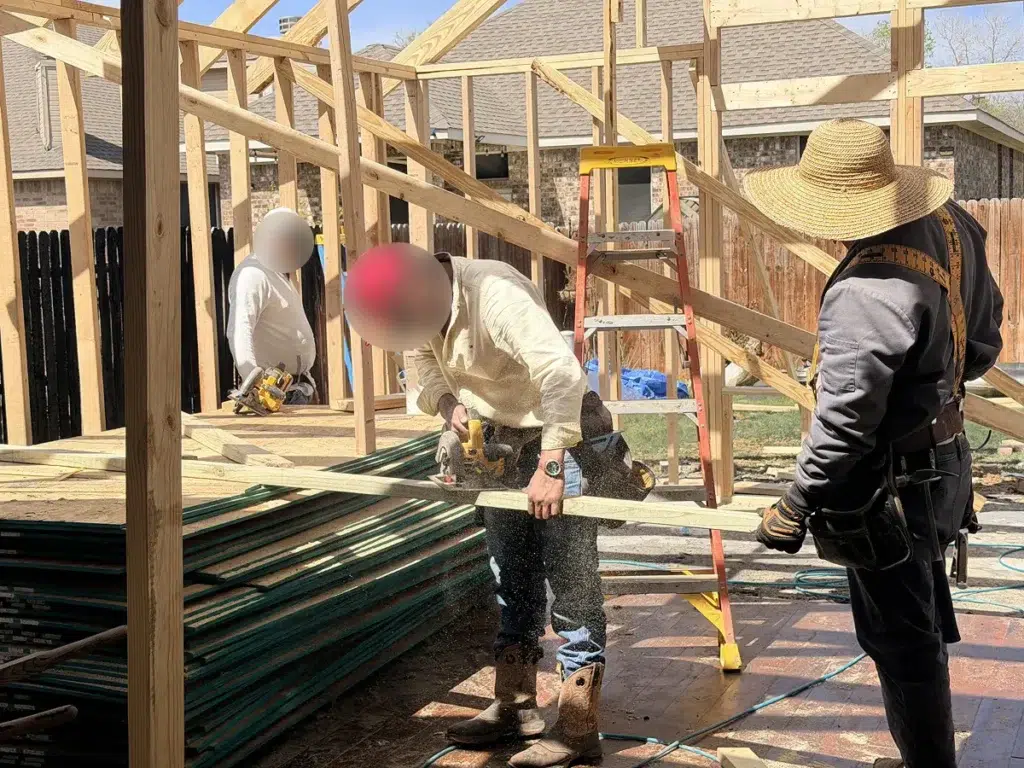
When restoration leads to reconstruction
While restoration focuses on cleaning, saving, and neutralizing existing materials, there is often a point where cleaning is no longer enough. This is where the journey transitions naturally from restoration into comprehensive home reconstruction.
Reconstruction becomes necessary when the structural integrity of the building components is permanently lost. For example, if heavy timbers are charred past a certain percentage of their thickness, they lose their weight-bearing capacity. Similarly, if a roof collapses or a fire burns hot enough to warp steel connectors and crack concrete foundations, simple cosmetic repairs cannot restore safety.
Unlike basic cosmetic restoration, full property reconstruction involves structural engineering, architectural planning, permitting, and rebuilding from the frame up. It requires a team that understands not just how to clean smoke, but how to execute professional construction services that strictly adhere to modern local building codes.
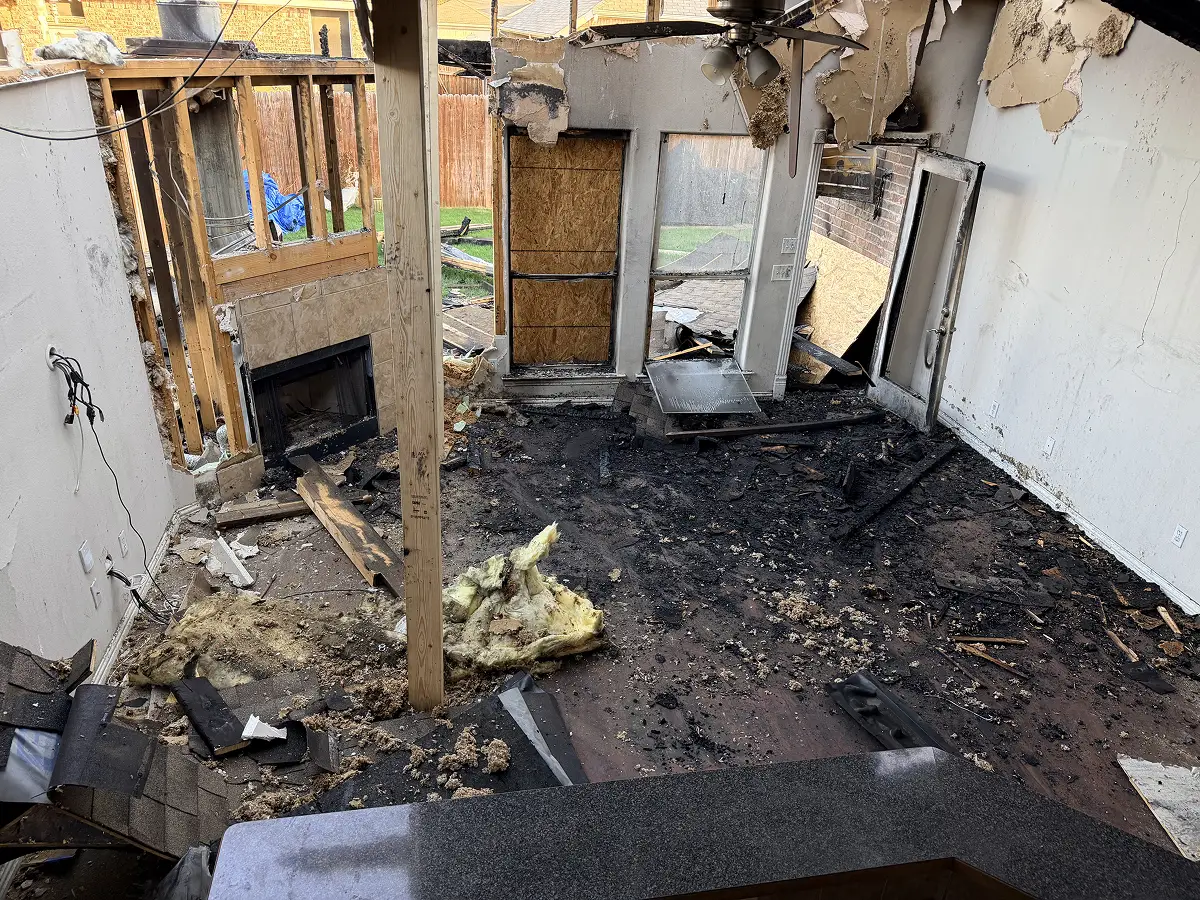
Rebuilding stronger: The benefits of professional home reconstruction
Experiencing a house fire is undoubtedly a tragedy, but the reconstruction phase presents an unexpected silver lining: the opportunity to rebuild your home better, safer, and more resilient than it was before.
When you engage in home remodeling after fire, you are not just replacing lost walls—you can leverage modern construction advancements:
- Advanced, fire-resistant materials: Rebuild using modern fire-rated drywall, fire-retardant treated lumber, and advanced insulation that offers vastly superior thermal protection.
- Upgraded safety standards: Bring your older home up to modern building codes, which includes installing integrated, hardwired smoke alarm systems, modern electrical panels, and arc-fault circuit interrupters (AFCIs) that reduce future fire risks.
- Enhanced energy efficiency: Take the opportunity to install modern, high-R-value insulation, energy-efficient windows, and modern HVAC ductwork, which significantly lowers your monthly utility costs.
- Optimized floor plans: If you have always wanted an open-concept kitchen or an extra bathroom, the reconstruction phase is the perfect time to adjust the architectural layouts.
- Increased property value: Replacing aged structural elements with brand-new, premium building materials instantly resets the functional lifespan of your home and boosts its overall market value.
Choosing the right fire restoration and reconstruction partner
Selecting the team to rebuild your home is the most important decision you will make in the entire recovery process. Because a fire involves both environmental hazards and complex structural engineering, a standard general contractor or a simple carpet-cleaning company is rarely sufficient.
Look for a partner that offers comprehensive residential restoration services alongside fully licensed, commercial-grade construction services. This dual expertise ensures that the team who cleans the soot deeply understands how those chemicals interact with structural framing.
Key attributes to look for include:
- Licensing and comprehensive insurance: Ensure they carry specialized environmental liability insurance along with standard builder’s risk insurance.
- End-to-end capabilities: Choosing a single company to handle your project from initial emergency response and tarping through to final paint and remodeling ensures seamless continuity and faster timelines.
- Insurance claims advocacy: Your contractor should be highly experienced in working directly with major insurance adjusters, utilizing industry-standard estimating software to ensure your claims are approved fully and fairly.
- Transparent, clear communication: A trustworthy partner provides clear schedules, upfront budgets, and consistent updates throughout the entire journey.
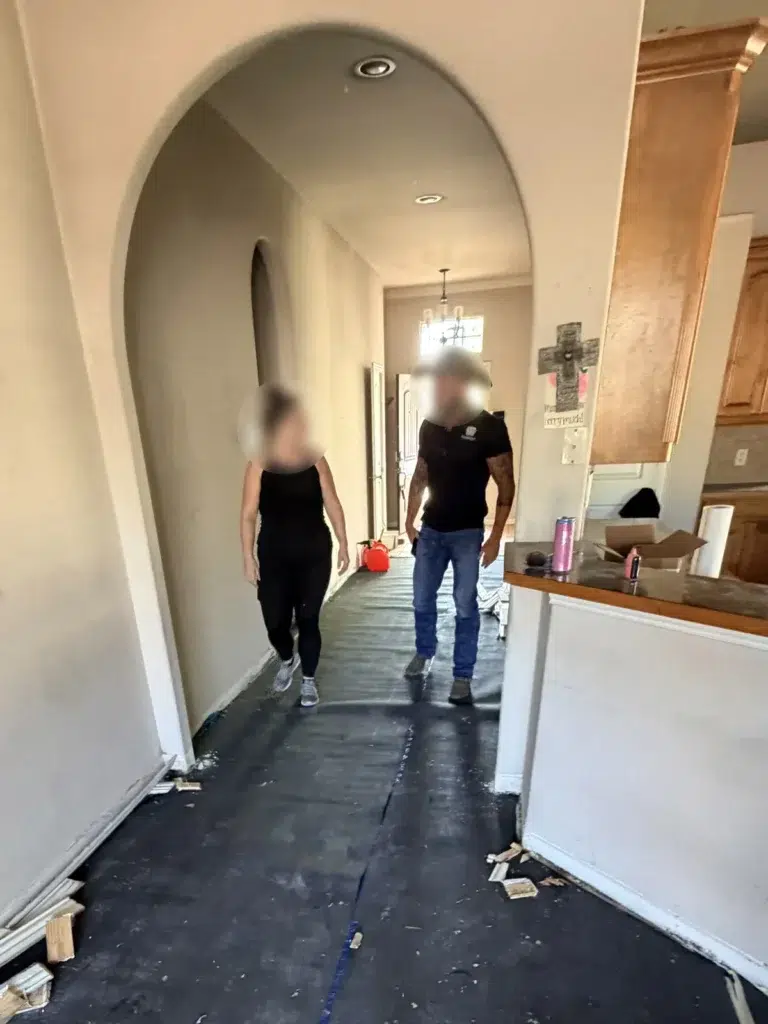
Conclusion
Recovering from a house fire is undoubtedly a long, deeply challenging journey. Yet, it is a journey that has a definitive, positive destination. From the initial emergency response through to the meticulous removal of smoke and soot, every step clears the path for safe, reliable structural renewal.
By understanding the process and embracing the opportunity to rebuild stronger, you can transform an emergency into an opportunity for long-term safety, modern comfort, and renewed pride in your home. You do not have to walk this path alone.
When you are ready to transition from emergency recovery to beautiful renewal, contact the dedicated team at Guardian Solutions Group. Let us handle the complexities of fire damage restoration and professional home reconstruction, so you can focus on rebuilding your peace of mind.
